
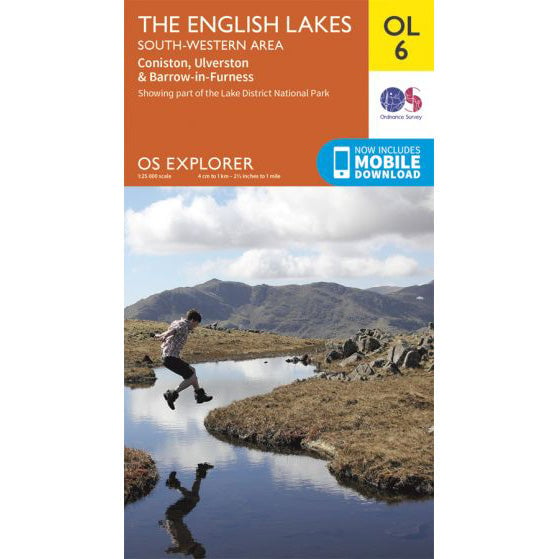

OS Explorer OL6 map for Scafell Pike
Coverage for Scafell Pike and the South Western Lakes.
Scafell Pike sits in one of the wettest parts of England. Summit conditions are often dramatically different from the valleys, with cloud, wind and cold temperatures common even in summer. Understanding the weather is essential for a safe ascent.
Standard weather apps do not accurately reflect mountain conditions. For Scafell Pike, use specialist mountain forecasts:
These forecasts provide summit-specific information including temperature, wind speed, wind chill, cloud base, visibility and precipitation.
The difference between the Lake District valleys and the summit of Scafell Pike can be significant:
| Valley (Sea Level) | Scafell Pike Summit (978m) | |
|---|---|---|
| Temperature | 15°C (summer typical) | 8-10°C (6-7°C colder typical) |
| Wind | Light breeze | Often 20-40 mph, gusts higher |
| Visibility | Clear | Frequently in cloud |
| Precipitation | Dry | May be raining when valley is dry |
As a rough guide, temperature drops approximately 1°C for every 150 metres of altitude gained. Wind chill can make it feel much colder again.
Scafell Pike in winter can present serious conditions. Snow and ice are possible on the upper slopes, and the boulder field near the summit can be treacherous when iced over.
Three Peaks Challenges do not run in winter conditions.
Variable conditions with improving weather. Snow can linger on sheltered upper sections into April.
Early season Three Peaks Challenges should be prepared for cold and wet conditions.
The most favourable conditions, though the Lake District is never a guaranteed dry experience. The summit is frequently in cloud.
This is the main Three Peaks Challenge season. Even in good conditions, take warm and waterproof clothing.
Days shorten and weather becomes more unsettled. First frost and snow can arrive from October.
Late season Three Peaks Challenges should prepare for potentially challenging conditions.
The Lake District is known for its changeable weather and Scafell Pike attracts cloud regularly. The summit boulder field is particularly confusing in poor visibility, with few distinct landmarks.
Good navigation skills, compass and map are essential. Many Three Peaks groups climb Scafell Pike in darkness, making visibility even more limited. See our routes page for navigation advice.
The summit of Scafell Pike is exposed to prevailing westerly winds. Gusts can be significantly stronger than forecast valley winds. High winds make the rocky terrain more hazardous and increase the wind chill effect.
The western Lake District is one of the wettest areas in England, with Seathwaite recording over 3,000mm of rainfall annually. Rain is possible in any month and can arrive quickly.
Waterproof jacket and trousers are essential kit for any ascent of Scafell Pike.
For Three Peaks Challenge participants climbing Scafell Pike at night:
Pack extra warm layers for night climbs. A good quality head torch with spare batteries is essential.
Based on typical conditions, recommended clothing for a summer Three Peaks Challenge includes:
See our kit list for full equipment requirements on guided events.
Coverage for Scafell Pike and the South Western Lakes.